50+ Beautiful Poetry on Smile in Urdu: Muskurahat Shayari (مسکراہٹ شاعری)
Discover the most beautiful collection of poetry on smile in Urdu. Share these 2-line muskurahat shayari and smile quotes in urdu to brighten someone's day, express your love, and celebrate the beauty of a genuine smile.
Looking for the greatest way to make yourself or the people around you happy? Sometimes, sharing beautiful poetry on smile in Urdu is all it takes to brighten a day. There is an undeniable and magical connection between love and a genuine smile. Very often, it is someone’s simple smile that completely smites us. We enjoy being in love and spending quality time with the people we care about, and these moments are always defined by shared happiness.
A simple smile has the power to brighten the darkest days and melt the coldest hearts. There is an undeniable and magical connection between love and a genuine smile; sometimes, all it takes is seeing that one special person smile to make you forget all your worries. If you are looking for the perfect words to capture that feeling and make someone’s day, exploring poetry about smile in Urdu is the most expressive way to do it.
If you are seeking inspiration to express that joy, we have compiled a list of the most lovely muskurahat poetry in Urdu for her and him.
Whether you are looking for some “I love your smile” lines, “you make me smile” verses, or general poetry about smile in Urdu for your loved ones, we have got you covered! From romantic verses for her and him to deep muskurahat poetry in Urdu, these 2-line Urdu couplets are perfect for sending a sweet text, or making your loved ones feel truly special. These 2-line couplets are ideal for an Instagram caption, a direct message to someone who makes you happy, or even to use as part of your daily WhatsApp status updates.
Let’s dive into the most beautiful smile quotes in Urdu without further ado!
مرے حبیب مری مسکراہٹوں پہ نہ جا خدا گواہ مجھے آج بھی ترا غم ہے
Mere habib meri muskurahaton pe na ja Khuda-gavah mujhe aaj bhi tera gham hai
This couplet captures the poignant reality of hiding deep sorrow behind a public smile. The poet addresses his 'Habib' (beloved/friend), pleading with them not to be fooled by his cheerful exterior. By invoking 'Khuda-gawah' (God as witness), he emphasizes the absolute truth of his internal pain. It suggests that while the world sees a smile, the heart remains anchored in the 'gham' (grief) of a past or ongoing hurt. This verse is ideal for 'Sad Poetry' or 'Gham Poetry' sections, resonating with anyone who masks their true emotions for the sake of the world.
شامل نہیں ہیں جس میں تیری مسکراہٹیں وہ زندگی کسی بھی جہنم سے کم نہیں
Shamil nahin hain jis mein teri muskurahaten Vo zindagi kisi bhi jahannam se kam nahin
This couplet is a powerful expression of romantic intensity and devotion. The poet suggests that his entire existence is tied to the happiness of his beloved. By claiming that a life without the beloved’s 'muskurahaten' (smiles) is equivalent to 'jahannam' (hell), he highlights a profound emotional dependency. It portrays the beloved’s joy as the only force capable of making life worth living, turning an ordinary existence into a paradise. It is a perfect choice for readers who want to express that their partner’s happiness is their greatest priority.
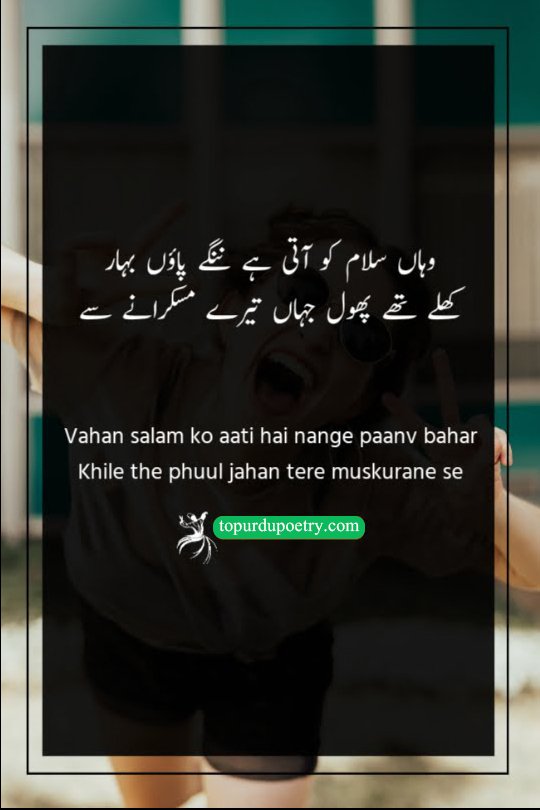
وہاں سلام کو آتی ہے ننگے پاؤں بہار کھلے تھے پھول جہاں تیرے مسکرانے سے
Vahan salam ko aati hai nange paanv bahar Khile the phuul jahan tere muskurane se
This couplet is a sublime tribute to the power of a smile. The poet suggests that where the beloved smiled, flowers bloomed so beautifully that even Spring (Bahar) visits that spot barefoot (nange paanv) out of respect. It portrays the beloved's smile as the ultimate source of life and beauty, suggesting that even nature itself humbles itself before such grace. It is a stunning choice for 2-line-muskurahat-poetry, perfect for expressing a love that feels both natural and divine.
مسکرانے کا یہی انداز تھا جب کلی چٹکی تو وہ یاد آ گیا
Muskurane ka yahi andaz tha Jab kali chatki to vo yaad aa gaya
This couplet is a masterpiece of delicate imagery, connecting the beauty of nature with a cherished memory. The poet notes that the way a flower bud (kali) blooms—bursting open with a gentle 'click'—is exactly the same style in which his beloved used to smile. It suggests that for the poet, the beloved's smile was so natural and exquisite that every time a flower opens, he is reminded of that specific, lovely expression. It is a perfect choice for 2-line-muskurahat-poetry, capturing a moment of tender nostalgia.
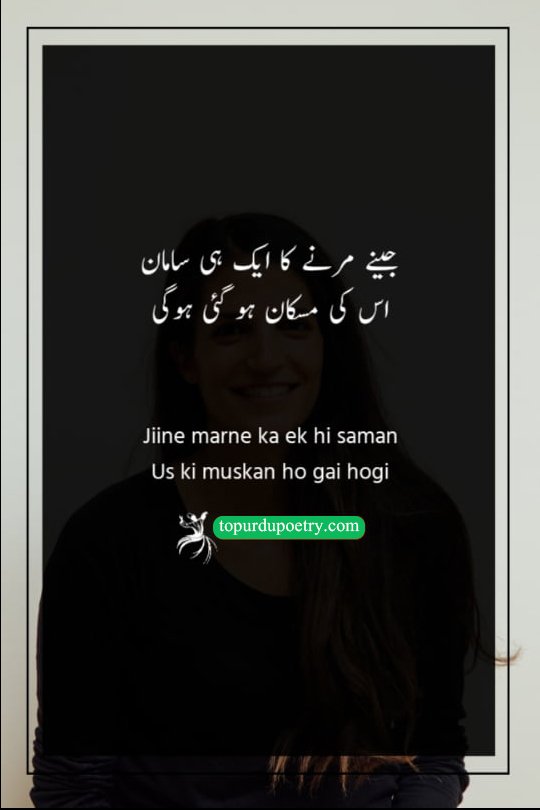
Jiine marne ka ek hi saman Us ki muskan ho gai hogi
This couplet expresses the peak of romantic devotion. The poet declares that the 'saman' (the reason or provision) for both his life and his death has become one and the same: the beloved’s smile. It suggests that while the smile gives him the strength to live, its beauty and impact are so profound that they also encompass the entirety of his fate. It’s an ideal verse for reflecting a state where one's happiness and survival are completely tied to the joy of another.
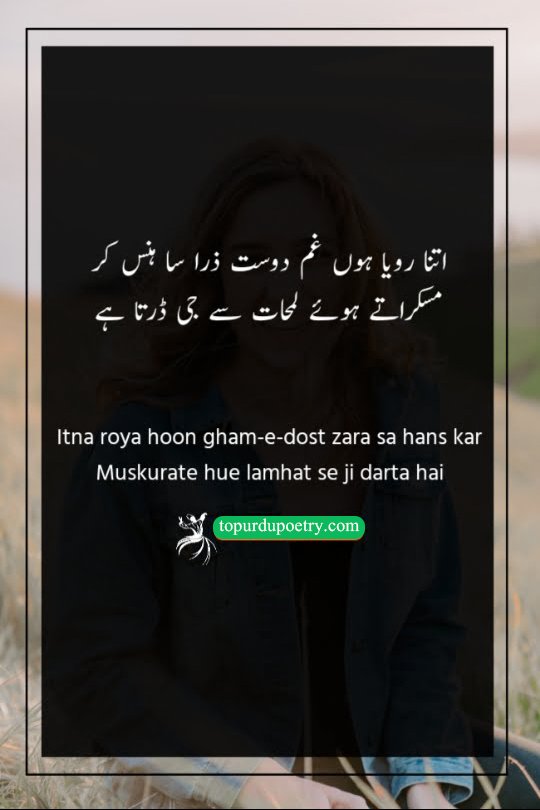
اتنا رویا ہوں غم دوست ذرا سا ہنس کر مسکراتے ہوئے لمحات سے جی ڈرتا ہے
Itna roya hoon gham-e-dost zara sa hans kar Muskurate hue lamhat se ji darta hai
This couplet beautifully portrays the fear of happiness that often follows deep heartbreak. The poet reflects that a tiny moment of laughter led to an ocean of tears caused by a friend's sorrow. Now, he has reached a point where 'smiling moments' (muskurate hue lamhat) actually frighten him. It’s a powerful verse for those who feel that happiness is always followed by a heavier price of pain, making them wary of even the briefest joy.
Romantic Poetry on Smile in Urdu (For Her & Him)
There is nothing quite like the feeling of being the reason behind your partner’s smile. This collection of romantic poetry is perfect for expressing how much their happiness means to you. Send these verses to your loved one to let them know their smile is your absolute favorite view.
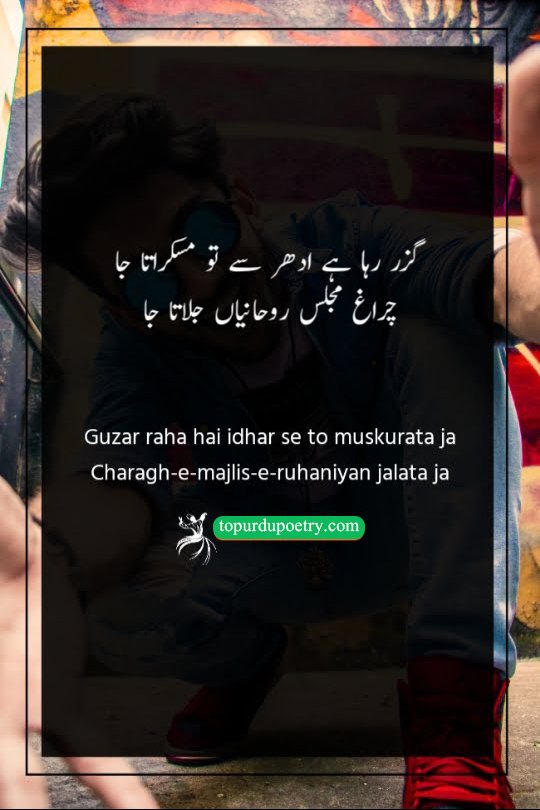
گزر رہا ہے ادھر سے تو مسکراتا جا چراغ مجلس روحانیاں جلاتا جا
Guzar raha hai idhar se to muskurata ja Charagh-e-majlis-e-ruhaniyan jalata ja
This couplet elevates a smile to a spiritual level. The poet asks the passerby to keep smiling, as their joy acts as a 'Charagh' (lamp) for the 'Majlis-e-Ruhaniyan' (a gathering of spiritual or enlightened souls). It suggests that a single smile has the power to light up the hearts of others and bring warmth to a gathering. It is a perfect choice for those who want to express the idea that happiness is a gift we give to the world, capable of enlightening even the most spiritual atmospheres.
Muskurana kabhi na raas aaya Har hansi ek vardat bani
This couplet explores the tragic idea that happiness always invites disaster. The poet laments that smiling never brought him any good fortune (kabhi na raas aaya). Instead, every single time he allowed himself to laugh, it turned into a 'vardat'—a tragic incident or calamity. It beautifully captures the fear of joy, reflecting the sentiment of a person who has learned the hard way that their moments of happiness are always followed by heartbreak or misfortune.
وہ مسکرا کے کوئی بات کر رہا تھا شمارؔ اور اس کے لفظ بھی تھے چاندنی میں بکھرے ہوئے
Vo muskura ke koi baat kar raha tha ‘shumar’ Aur us ke lafz bhi the chandni mein bikhre hue
This couplet captures the ethereal and glowing beauty of a beloved's smile. The poet, 'Shumar,' recalls a moment of smiling conversation, noting that the beloved's words felt as if they were scattered in moonlight (chandni). It beautifully suggests that a genuine smile is so radiant it illuminates everything around it, turning spoken words into visual, glowing magic. This dreamy imagery makes it a stellar addition to any muskurahat-poetry collection, perfect for describing a love that lights up the dark.
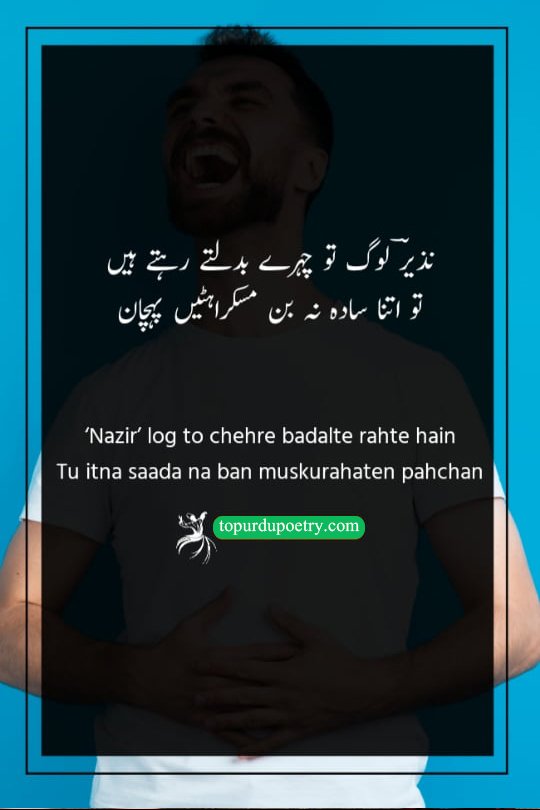
نذیرؔ لوگ تو چہرے بدلتے رہتے ہیں تو اتنا سادہ نہ بن مسکراہٹیں پہچان
‘Nazir’ log to chehre badalte rahte hain Tu itna saada na ban muskurahaten pahchan
This couplet serves as a profound warning against naivety in a deceptive world. The poet, using the pen name 'Nazir,' observes that people constantly change their 'faces' or masks to suit their needs. He advises against being 'saada' (naive or simple-minded) and urges the reader to learn how to 'recognize smiles' (muskurahaten pahchan). It highlights the bitter truth that not every smile is genuine; some hide deceit or mockery. This verse is a brilliant addition to any muskurahat-poetry collection, reminding us to look beyond the surface of a smiling face.
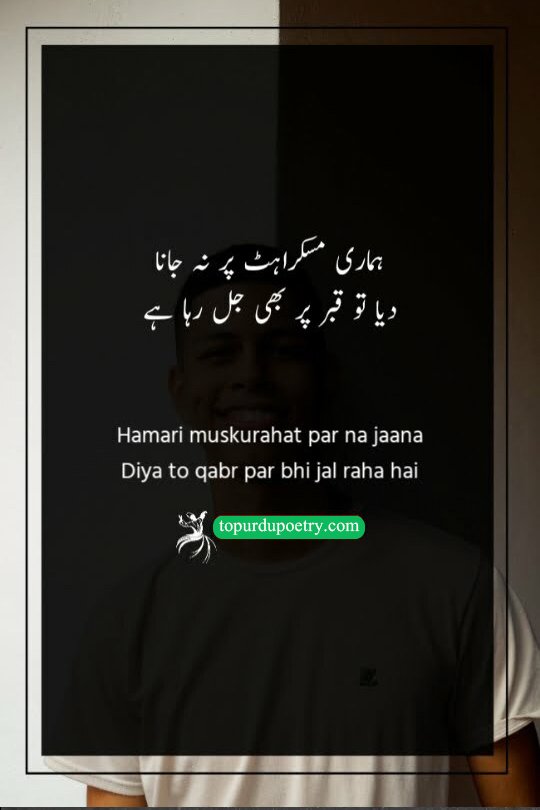
ہماری مسکراہٹ پر نہ جانا دیا تو قبر پر بھی جل رہا ہے
Hamari muskurahat par na jaana Diya to qabr par bhi jal raha hai
This couplet uses a heartbreaking metaphor to describe the feeling of being emotionally dead while maintaining a happy exterior. The poet warns the reader not to be fooled by their smile (muskurahat). To explain why, they compare their smile to a lit lamp (diya) placed upon a grave (qabr). Just as the bright light of the lamp cannot change the reality of the death lying beneath it, the poet's outward smile merely covers a heart that has been completely destroyed by sorrow. This is a profoundly moving verse for anyone who hides deep grief behind a cheerful face.
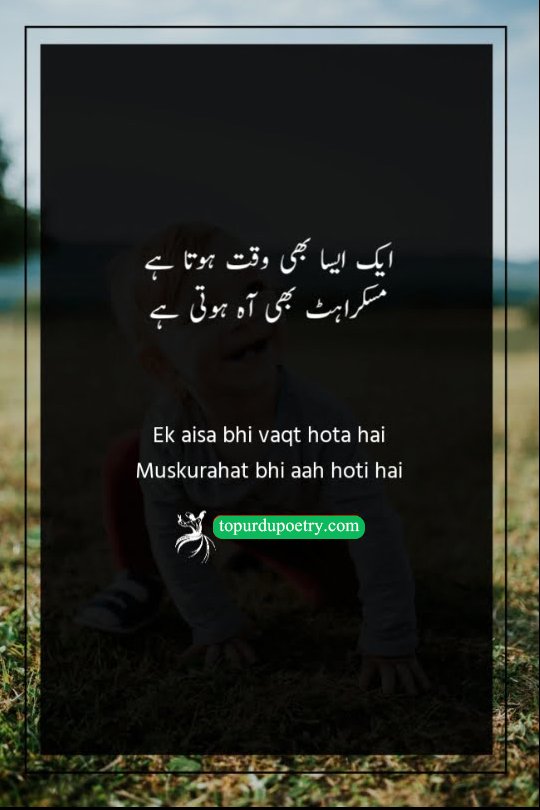
Ek aisa bhi vaqt hota hai Muskurahat bhi aah hoti hai
This couplet beautifully illustrates the devastating weight of extreme sorrow. The poet describes a dark phase in life where the boundaries between joy and pain disappear. During this time, even a smile (muskurahat) loses its meaning and transforms into an 'aah'—a deep sigh of grief and helplessness. It perfectly captures the tragic reality of a broken heart, where an attempt to smile only reveals the profound exhaustion and pain hidden within. This is an incredibly moving verse for those experiencing a sorrow too deep to hide.
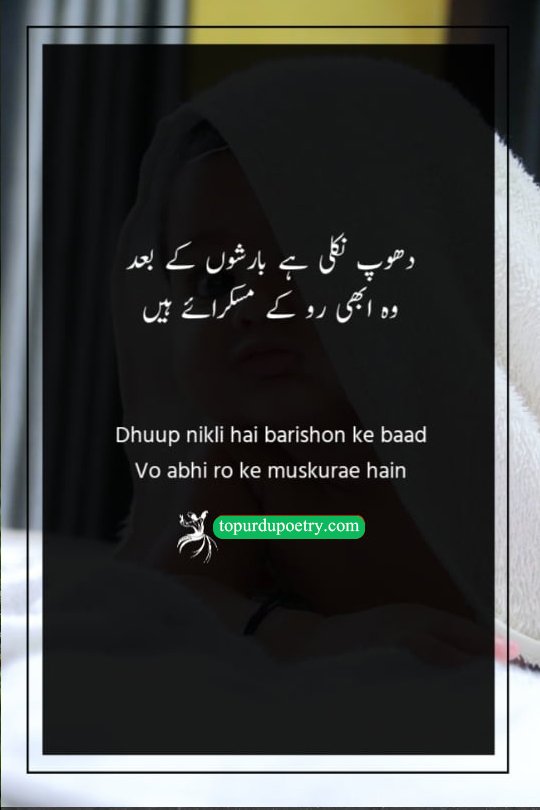
دھوپ نکلی ہے بارشوں کے بعد وہ ابھی رو کے مسکرائے ہیں
Dhuup nikli hai barishon ke baad Vo abhi ro ke muskurae hain
This couplet uses a beautiful natural metaphor to describe a tearful smile. The poet compares the beloved's smile, which appears right after a bout of crying, to the crisp and radiant sunlight (dhuup) that emerges immediately after heavy rainfall (barishon). Just as the rain washes the world clean and makes the subsequent sunlight feel fresher and more vibrant, the tears wash away the sorrow, making the beloved's sudden smile look breathtakingly pure and vulnerable. This is a tender and highly visual verse perfect for capturing the fragile beauty of smiling through tears.
Deep Muskurahat Poetry in Urdu (مسکراہٹ شاعری)
Not every smile is just about pure happiness; sometimes, a smile holds deep secrets, hidden pain, or quiet resilience. These verses of muskurahat Poetry in Urdu explore the profound depth behind a smile, capturing the elegance of hiding one’s tears behind a beautiful, unbreakable muskurahat.
دلوں کو تیرے تبسم کی یاد یوں آئی کہ جگمگا اٹھیں جس طرح مندروں میں چراغ
Dilon ko tere tabassum ki yaad yuun aai Ki jagmaga uthen jis tarah mandiron mein charagh
This couplet elevates the memory of a beloved's smile to a deeply sacred and spiritual experience. The poet describes the moment the memory of that gentle smile (tabassum) enters the heart. To explain its profound impact, he compares it to the sudden lighting of lamps (charagh) inside a dark temple (mandir). Just as the lamps fill the sacred space with a warm, pure, and golden light, the memory of the beloved's smile instantly illuminates the poet's dark and lonely heart with a profound sense of peace and reverence. This verse is an exquisite choice for expressing a love that feels pure and almost divine.
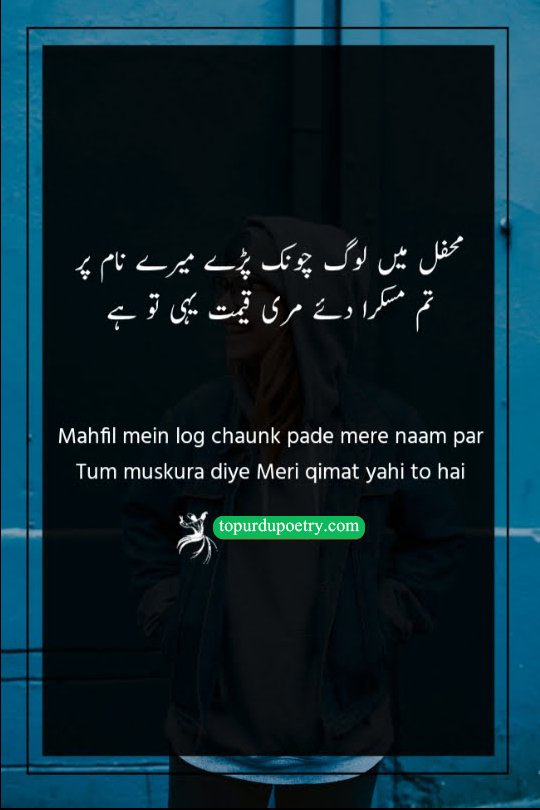
محفل میں لوگ چونک پڑے میرے نام پر تم مسکرا دئے مری قیمت یہی تو ہے
Mahfil mein log chaunk pade mere naam par Tum muskura diye Meri qimat yahi to hai
This couplet beautifully contrasts society's judgment with the quiet acceptance of a loved one. The poet describes a gathering (mahfil) where the mere mention of his name causes people to be startled or scandalized, hinting at an infamous or misunderstood reputation. However, the beloved's reaction is simply a knowing, affectionate smile. The poet declares that this smile is his ultimate 'qimat' (true worth). It is a profound verse about realizing that the world's opinion holds no weight compared to the validating and accepting smile of the person you truly love.
تم اتنا جو مسکرا رہے ہو کیا غم ہے جس کو چھپا رہے ہو
Tum itna jo muskura rahe ho Kya gham hai jis ko chhupa rahe ho
This iconic couplet by Kaifi Azmi perfectly captures the tragic reality of hiding profound sorrow behind a cheerful facade. The poet observes someone smiling excessively and asks a gentle yet piercing question: 'What is the deep grief (gham) you are trying to hide?' It highlights the psychological truth that an exaggerated or constant smile is often a shield used to overcompensate for a broken heart. This is the ultimate verse for expressing the pain of carrying a heavy emotional burden while forcing yourself to look happy for the rest of the world.
Ai gham-e-zindagi na ho naraz Mujh ko aadat hai muskurane ki
This couplet brilliantly personifies the 'sorrow of life' (gham-e-zindagi) and addresses it directly. The poet gently asks his grief not to be offended (naraz) by his cheerful demeanor. He explains that his smile doesn't mean the pain isn't real; rather, he has simply developed an ingrained habit (aadat) of smiling through his struggles. It is a powerful and defiant verse about resilience, showing how a smile can act as a survival mechanism against constant hardship. A stellar addition for urdu-poetry-on-muskurahat, perfect for those who face life's toughest battles with a graceful smile.
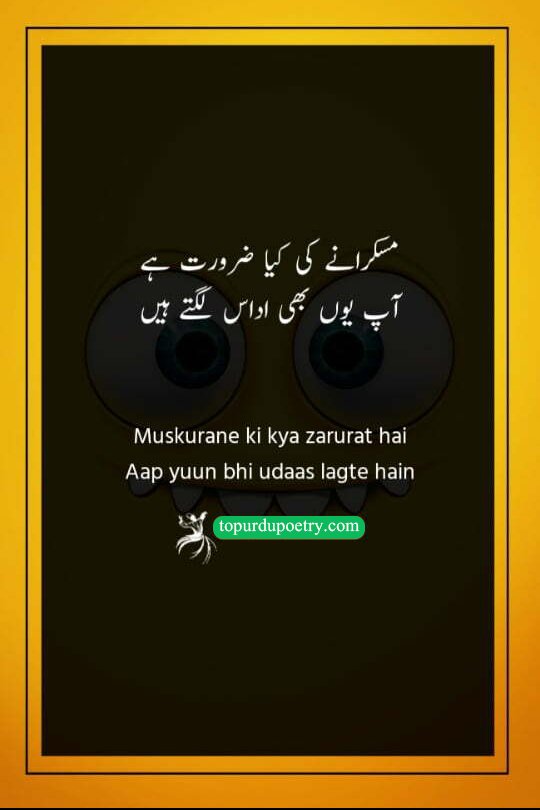
Muskurane ki kya zarurat hai Aap yuun bhi udaas lagte hain
This couplet captures a moment of profound empathy and understanding. The poet addresses someone who is forcing a smile to hide their pain, gently asking, 'What is the need to smile?' (zarurat hai). He points out the futility of this facade by stating that the person's deep sorrow (udaas) is visible regardless of their expression. It beautifully conveys that a forced smile cannot mask true grief from someone who genuinely sees and understands you. This verse is a touching addition to urdu-poetry-on-muskurahat, perfect for moments when the mask slips and raw emotion is recognized.
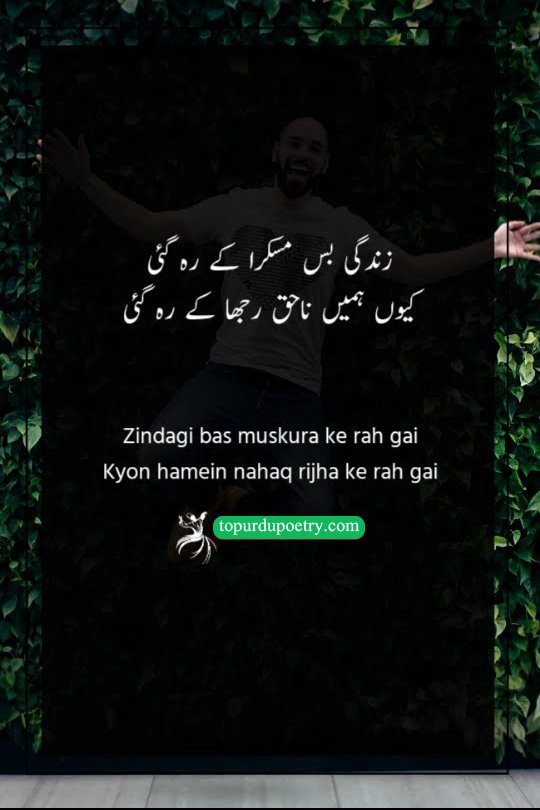
زندگی بس مسکرا کے رہ گئی کیوں ہمیں ناحق رجھا کے رہ گئی
Zindagi bas muskura ke rah gai Kyon hamein nahaq rijha ke rah gai
This couplet beautifully personifies life as a cruel tease. The poet complains that life merely smiled at him (muskura ke rah gai) and offered nothing more. By asking why life unjustly enticed or charmed him (nahaq rijha ke), the poet expresses the deep frustration of being given false hope. That single smile was enough to make him long for happiness, but life never fulfilled that promise, leaving him feeling tricked by a fleeting moment of joy. It is an excellent choice for urdu-poetry-on-muskurahat, capturing the pain of unfulfilled desires and deceptive happiness.
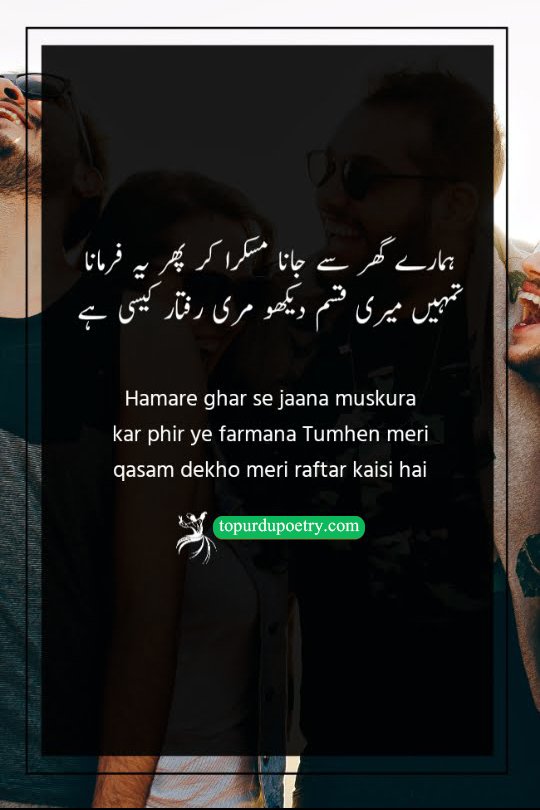
ہمارے گھر سے جانا مسکرا کر پھر یہ فرمانا تمہیں میری قسم دیکھو مری رفتار کیسی ہے
Hamare ghar se jaana muskura kar phir ye farmana Tumhen meri qasam dekho meri raftar kaisi hai
This couplet captures a delightfully playful and romantic moment full of 'ada' (coquetry). The poet describes his beloved leaving his house with a mischievous smile (muskura kar). Instead of a sad farewell, the beloved playfully demands his attention, making him swear an oath (meri qasam) just to watch them walk away and admire their captivating gait or movement (raftar). It is a beautiful portrayal of confident love, where the beloved knows they have completely mesmerized the poet and teasingly revels in that power. A perfect verse for adding a lighthearted, romantic touch to urdu-poetry-on-muskurahat.
2-Line Smile Quotes in Urdu for WhatsApp & Instagram
Need a short, sweet, and catchy caption? These smile quotes in Urdu are specifically curated for your social media. They are short enough to grab attention but meaningful enough to leave a lasting impression on anyone who views your status.
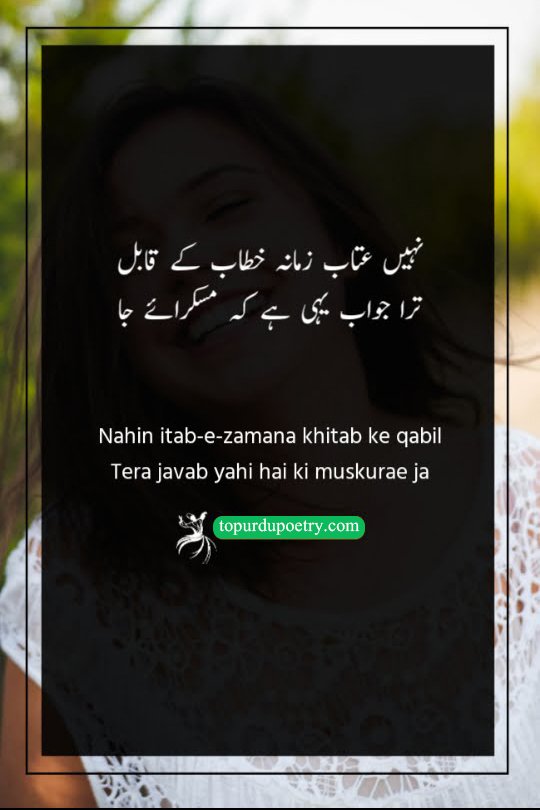
نہیں عتاب زمانہ خطاب کے قابل ترا جواب یہی ہے کہ مسکرائے جا
Nahin itab-e-zamana khitab ke qabil Tera javab yahi hai ki muskurae ja
This couplet serves as a powerful anthem of resilience and grace. The poet advises that the wrath, criticism, and taunts of the world (itab-e-zamana) are simply not worthy of your words or an argument (khitab ke qabil). Instead of fighting back and lowering yourself to their level, the poet suggests the ultimate response: just keep smiling (muskurae ja). A relentless, unbothered smile is the most elegant and crushing reply you can give to negativity, proving that society's harshness holds no power over your inner peace. A highly motivational piece for your urdu-poetry-on-muskurahat collection.
دل میں طوفان ہو گیا برپا تم نے جب مسکرا کے دیکھ لیا
Dil mein tufan ho gaya barpa Tum ne jab muskura ke dekh liya
This couplet perfectly captures the overwhelming and sudden impact of a beloved's smile. The poet describes how a simple, quiet gesture—the beloved merely looking and smiling (muskura ke dekh liya)—is enough to unleash a massive emotional reaction. It causes a literal 'tufan' (storm) to erupt (barpa) within the poet's heart, turning their emotional world upside down with love and longing. This verse is a classic addition to any muskurahat-poetry-in-urdu collection, highlighting the devastatingly beautiful chaos that a single smile can create in the heart of a lover.
یوں مسکرائے جان سی کلیوں میں پڑ گئی یوں لب کشا ہوئے کہ گلستاں بنا دیا
Yuun muskurae jaan si kaliyon mein pad gai Yuun lab-kusha hue ki gulistan bana diya
This couplet uses breathtaking natural imagery to describe the life-giving power of a beloved's smile. The poet claims that when the beloved smiled, it was as if life (jaan) was suddenly breathed into unbloomed buds (kaliyon). Furthermore, when they opened their lips (lab-kusha) to speak or smile wider, their sheer presence transformed the entire atmosphere into a blooming, fragrant garden (gulistan). This verse is a masterpiece of classic romanticism, perfect for your muskurahat-poetry-in-urdu collection, illustrating how true love brings a profound sense of 'spring' and vitality to the soul.
بجھ گئی شمع کی لو تیرے دوپٹے سے تو کیا اپنی مسکان سے محفل کو منور کر دے
Bujh gai shama ki lau tere dupatte se to kya Apni muskan se mahfil ko munavvar kar de
This couplet captures a delightfully romantic and cinematic moment, proving perfect for any muskurahat-poetry-in-urdu-2-lines collection. The poet describes a playful accident where the flame of a candle (shama ki lau) is extinguished by the flowing fabric of the beloved's scarf (dupatta). Instead of worrying about the sudden darkness, the poet smoothly asks the beloved to simply smile. He claims that their radiant smile (muskan) is more than enough to completely illuminate (munavvar) the entire gathering (mahfil). It is a charming and elegant compliment to the glowing beauty of a loved one's smile.
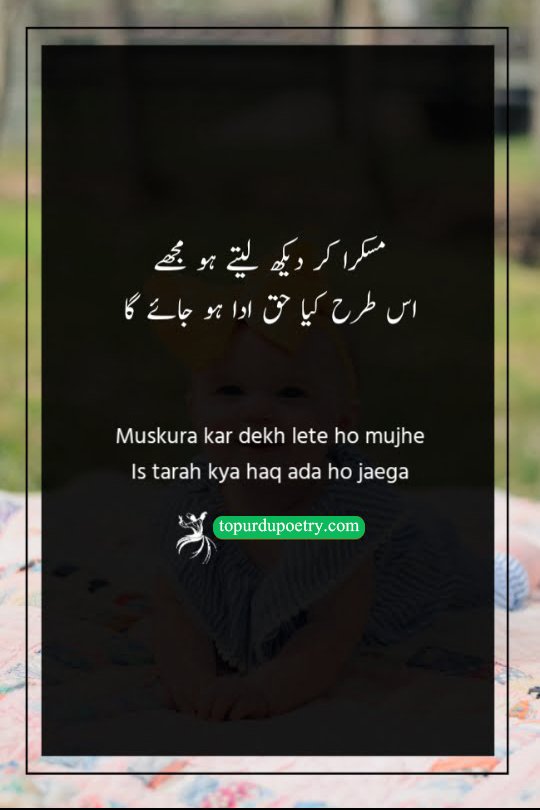
مسکرا کر دیکھ لیتے ہو مجھے اس طرح کیا حق ادا ہو جائے گا
Muskura kar dekh lete ho mujhe Is tarah kya haq ada ho jaega
This couplet beautifully captures a loving complaint, or 'shikwa,' between lovers. The poet addresses a beloved who tries to get away with giving minimal effort by simply offering a charming smile (muskura kar). The poet asks if just smiling is enough to fulfill the rights and obligations (haq) of true love. It highlights the feeling of wanting deeper emotional investment and presence, rather than being pacified by a fleeting, effortless gesture. It is an excellent verse for expressing the desire for more meaningful attention in a relationship.
اب اور اس کے سوا چاہتے ہو کیا ملاؔ یہ کم ہے اس نے تمہیں مسکرا کے دیکھ لیا
Ab aur is ke siva chahte ho kya ‘mulla’ Ye kam hai us ne tumhen muskura ke dekh liya
This couplet beautifully expresses the ultimate contentment and humility found in true love. It stands as a stark contrast to complaints, as the poet (using his pen name 'Mulla') asks himself what more he could possibly desire. He realizes that simply receiving a warm, acknowledging smile from the beloved (muskura ke dekh liya) is an immense blessing in itself. The poet considers this brief moment of connection as the greatest reward, concluding that asking for anything beyond that smile would be greedy. It is a perfect verse for expressing deep gratitude for a loved one's simple affection.
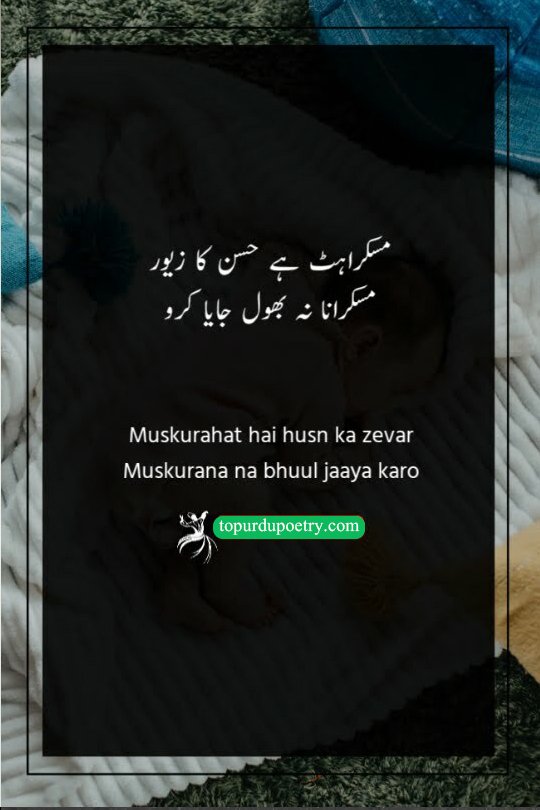
Muskurahat hai husn ka zevar Muskurana na bhuul jaaya karo
This couplet is a sweet and classic compliment that beautifully links happiness with physical beauty. The poet declares that a smile (muskurahat) is the ultimate ornament or jewelry (zevar) for beauty (husn). Because a smile is what truly completes and enhances a person's natural charm, the poet lovingly requests the beloved never to forget to wear it (muskurana na bhuul jaaya karo). It is a highly romantic and endearing verse, perfect for reminding someone that they look their absolute best when they are smiling.
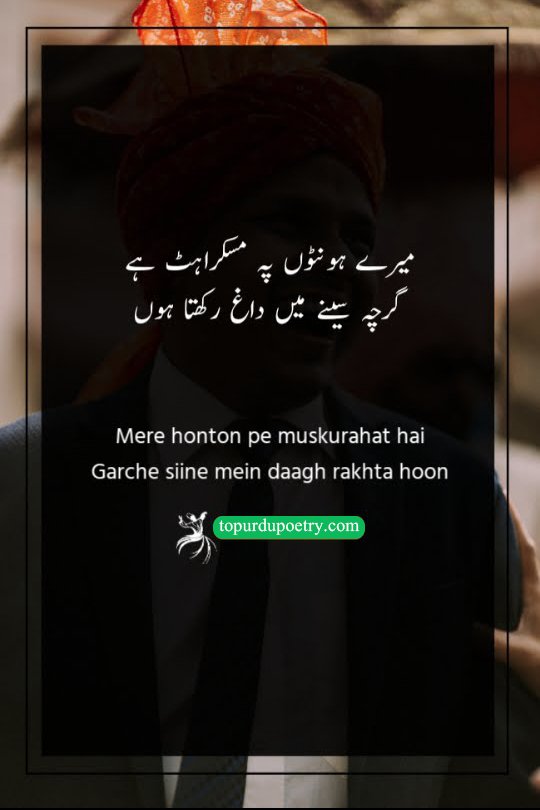
میرے ہونٹوں پہ مسکراہٹ ہے گرچہ سینے میں داغ رکھتا ہوں
Mere honton pe muskurahat hai Garche siine mein daagh rakhta hoon
This couplet captures the classic theme of maintaining a brave face while enduring deep emotional pain. The poet plainly states that there is a visible smile on his lips (honton pe muskurahat). However, he contrasts this outward happiness with his internal reality, revealing that he carries a 'daagh'—a deep scar or burn mark symbolizing grief or heartbreak—within his chest (siine). It is a poignant and relatable verse for anyone who stoically hides their emotional wounds behind a gentle smile.
جیسے پو پھٹ رہی ہو جنگل میں یوں کوئی مسکرائے جاتا ہے
Jaise pau phat rahi ho jangal mein Yuun koi muskurae jaata hai
This couplet uses a stunning and untamed natural metaphor to describe the illuminating power of a loved one's smile. The poet compares the beloved's continuous smile to 'pau phatna'—the very first, soft break of dawn piercing through the darkness of a dense forest (jangal). Just as the morning light brings warmth, hope, and clarity to a wild and dark jungle, the beloved's smile effortlessly banishes the darkness from the poet's life. This highly visual verse is an exceptional piece for any poetry-on-muskurahat-in-urdu collection, perfect for describing a love that brings light to your darkest days.
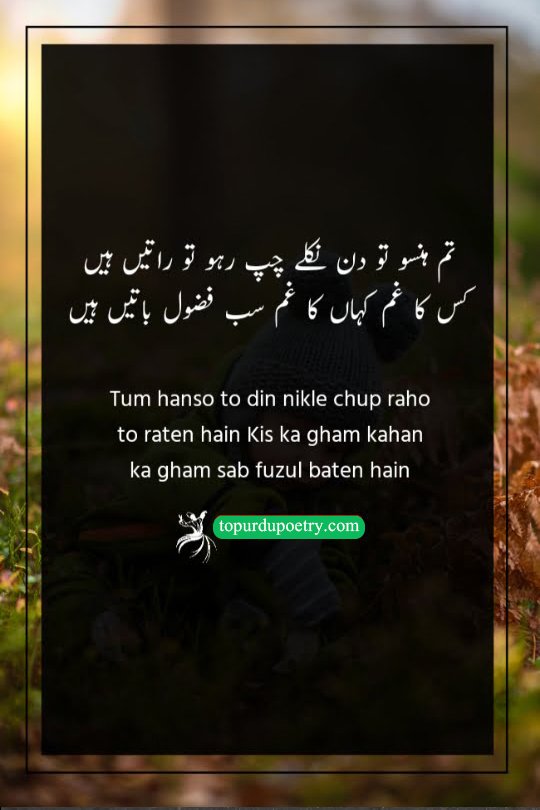
تم ہنسو تو دن نکلے چپ رہو تو راتیں ہیں کس کا غم کہاں کا غم سب فضول باتیں ہیں
Tum hanso to din nikle chup raho to raten hain Kis ka gham kahan ka gham sab fuzul batein hain
This couplet captures the intoxicating and carefree joy of being completely consumed by love. The poet declares that the laws of nature revolve around the beloved: their laughter brings the break of day (din nikle), and their silence brings the darkness of night (raten hain). Because this love is so profound, the poet dismisses all worldly sorrows and griefs (gham) as mere nonsense or useless talk (fuzul batein). It is a brilliantly romantic verse, perfect for expressing how a loved one's smile can completely erase the world's negativity.
Final Thoughts on the Magic of a Smile
A smile costs nothing but gives so much to the people around you. Sharing poetry about smile in Urdu is a beautiful, effortless way to spread joy and let someone know they are the reason behind your happiness. We hope this collection of muskurahat poetry in Urdu provided you with the exact words you were looking for to express your feelings and make someone’s day a little brighter.
Which of these muskurahat shayari touched your heart the most? Do you have someone special whose smile completely lights up your world?
Let us know in the comments below! Do not forget to download your favorite images to share on your WhatsApp and Facebook statuses to keep the positivity flowing. If you love expressive verses, be sure to browse the rest of our poetry collections right here at topurdupoetry.com.